Inca Jungle 4 Days & 3 Nights

The Inca Jungle tour is the adventure tour par excellence in Cusco. It is an excursion that lasts 4 days and combines adventure sports such as hiking, mountain biking, rafting and zip line to reach the archaeological complex of Machupicchu. The trail inca jungle is the most popular tour among young travelers in search of adrenaline. It is an alternative to the conventional Inca trail but with the same final destination: Machupicchu. The excursion allows you to enjoy a varied fauna, colorful flora, a variety of landscapes and climates such as coffee, coca, corn, fruits, among others. In this tour there are no camps, since the lodging and food is done in lodging houses. This excursion also supports the economy of the towns through which it passes.
Inca Trail 4 Days & 3 Nights

Inca Trail to Machu picchu 4 days 3 nights, combines beautiful mountain scenery, lush cloud forest and subtropical forest, and an outstanding mix of Inca paving stones, ruins and tunnels. Decending through the magical sun gate on the last day will reveal the emerald peaks and the terraced ruins of the mysterious Incan city of Machu Picchu.
Inca Trail 2 Days & 1 Night

recommends this tour for people that don’t have much time to travel or that their physical condition is not that great, this part of the hike starts on km 104 and its first stop is on the archeological site of Huiñay Huayna, which means “eternally young” in quechua, place we will visit. After we will continue the hike to the town of Aguas Calientes, where we will be spending the night our last night of the Short Inca Trail, this will be the most comfortable part of the trip with the best vegetation and the best climate. And without taking away the taste of adventure, you will also be able to experience the majestic landscaped and amazing changes of the ecological floors that will take you to the coveted remains of Machu Picchu.
Lares Trek 4 Days & 3 Nights

Lares Trek 4d/3n to Machu Picchu or Lares route, starts near the town that bears the same name, about 150km from Cusco, is part of the Peruvian Andes and crosses part of the Sacred Valley.
One of the best routes for those who want to enjoy nature and make contact with Andean families and their customs, agriculture, livestock and textiles is their main way of life, llamas and alpacas flood the valleys, the flora can bring us some curiosities such as the Titanca or Puya de Raimondi that blooms only once every 100 years. In Peru there are only 30 places where this plant exists and this is one of them.
Anta Killarumiyoq Tour 1 Day
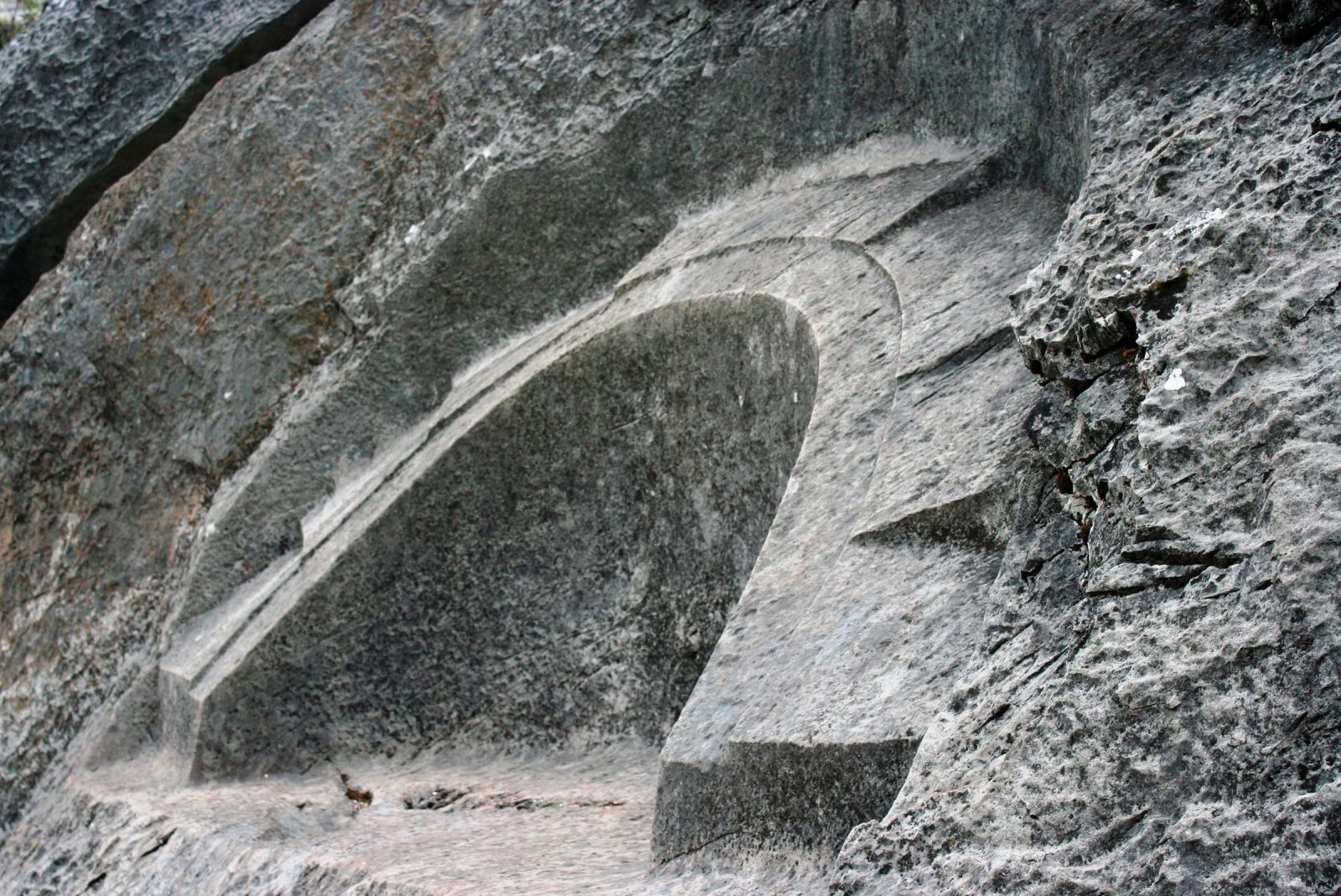
One of the most important deities of the Incas was the Moon, called Mama Quilla, who was the sister and wife of the god Inti, accompanied the god Inti in equal rank in the celestial court, was the mother of the firmament, was the feminine side of the universe, influenced the tides, in the growth of plants, fertilization. The Incas built, lunar calendars, temples dedicated to this deity one of them is this amazing place located an hour and a half from the city of Cusco. Killarumiyoq comes from the Quechua word that translated into Spanish means “The Moonstone” its area is defined in 5 hectares approximately. Killarumiyoq was also a ceremonial center dedicated to the divinity of the femininity, the Moon, that according to the Inca tradition is the one that gives fertility to the land, in addition they constructed lunar calendars, temples dedicated to this deity and one of them located in this place.
Qeswachaka Bridge And 4 Lagoons Tour
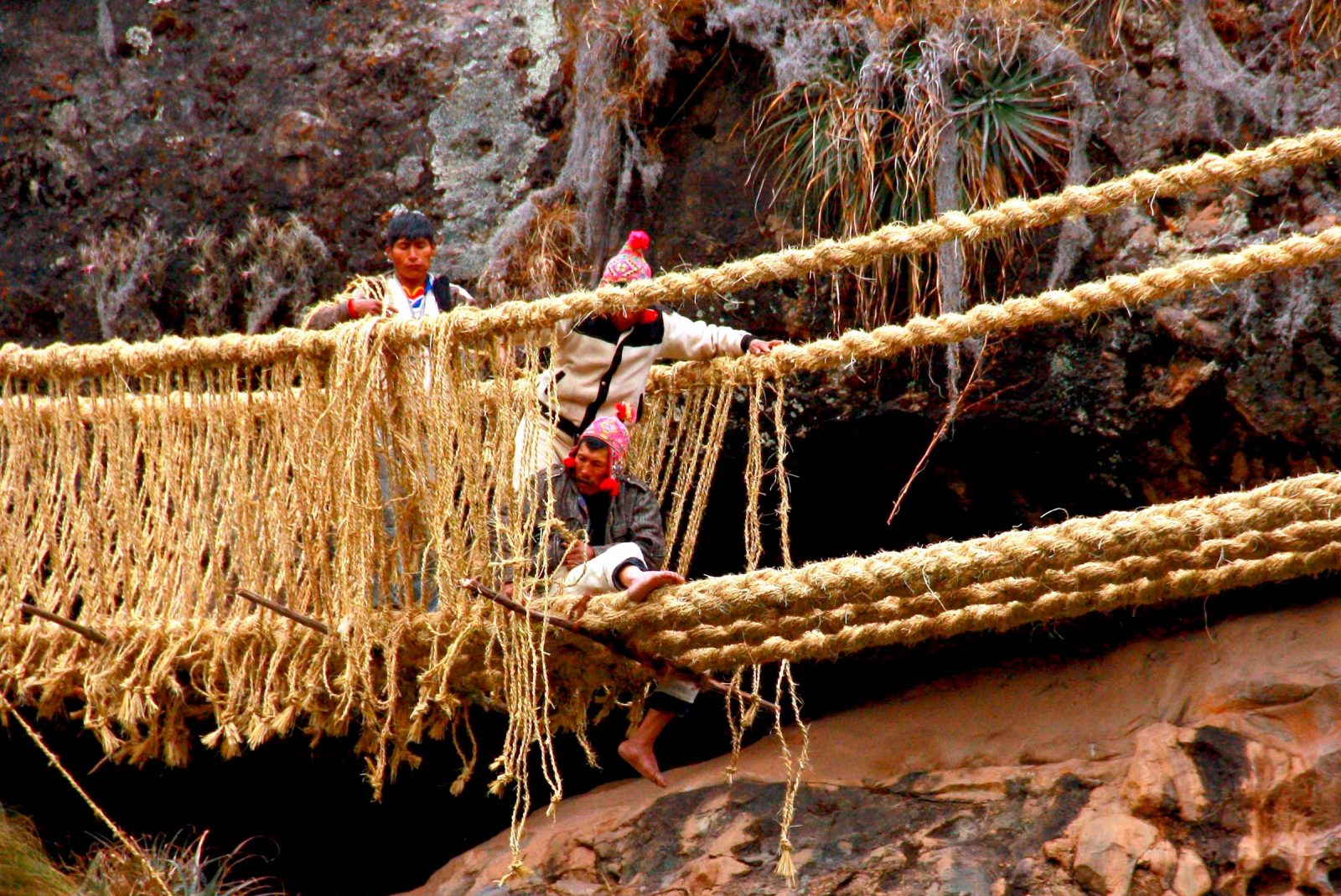
The last Inca hanging bridge known as Queswachaca, in the province of Canas, almost five centuries old, was reconstructed by members of the ancestral communities of Cusco based on large ropes made of straw that grows in the puna. The community is over 3720 meters high, and the bridge passes over the Apurimac River.
Huchuy Qosqo 1 Day
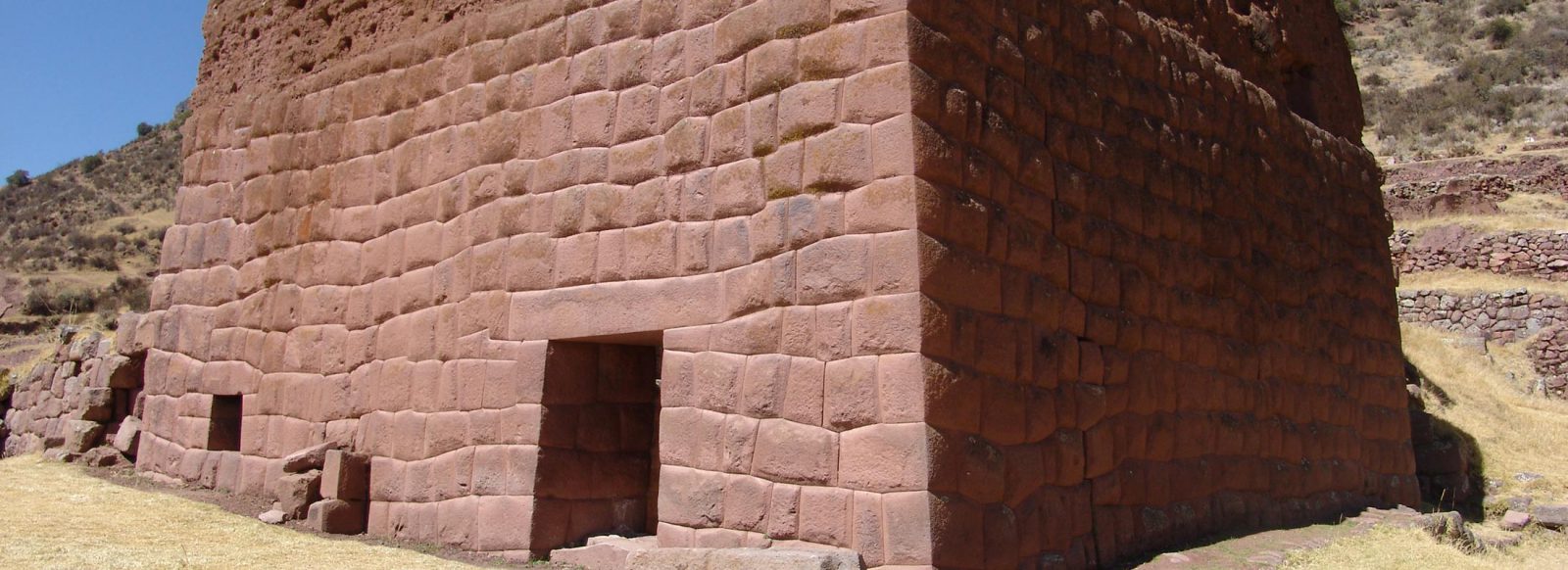
Huchuy Qosqo the Little Cusco is an archeological site north of Cuzco, Peru it was originally an administrative and military center around Pisaq, with many though-provoking constructions in the surrounding vicinity. You may also observe Inca buildings with fine, perfect stonework & grain-storage structures called Collcas to store and preserve food, because it was an important agricultural center to produce corn. Its name is Quechua for Little Cusco and it is found at an elevation of 3650 meters (11,800 feet), above the 3000-meter high town of Lamay and the Sacred Valley
Ruins Around Cusco
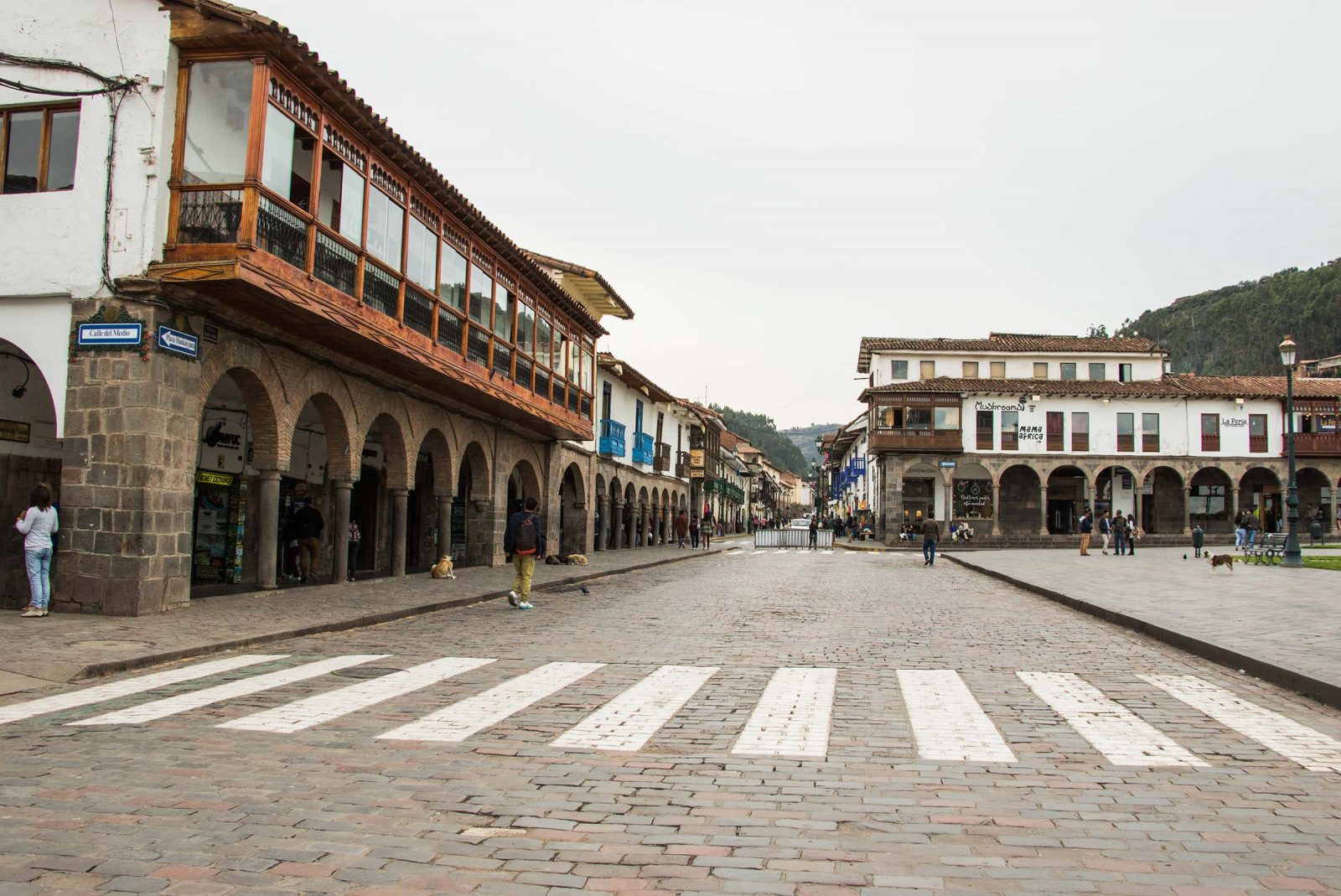
On a walk through the streets of Cusco, the great walls and palaces built by the Incas exhibit the colossal architecture of the capital city of Tahuantinsuyo. When the Spanish conquistadors arrived, they used the Inca stone structures as foundations for the churches, convents, and stately homes they built. This symbiosis forms part of the unique character of the city, which was named a UNESCO World Heritage Site in 1983.
Walking Tour Around Cusco
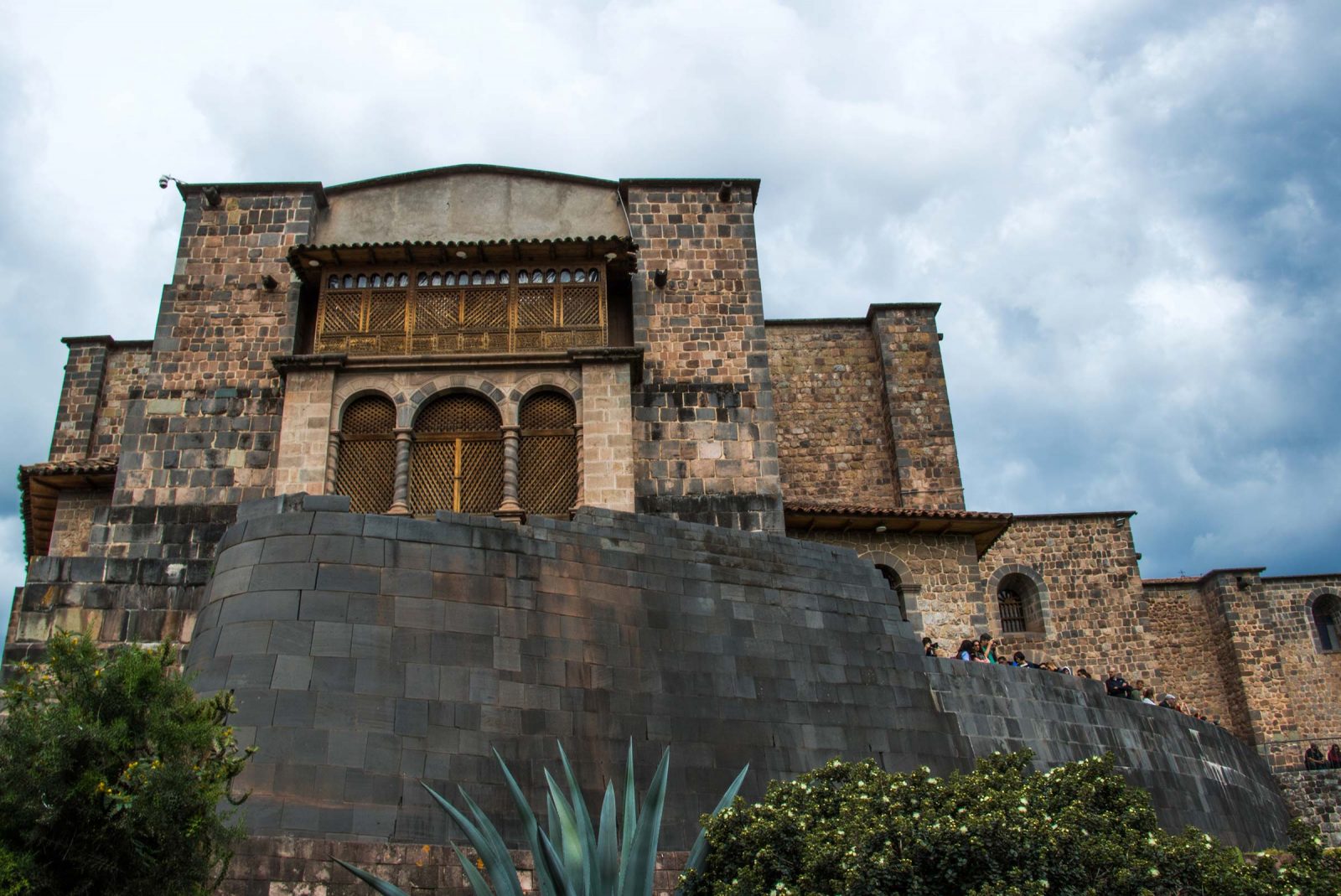
On a walk through the streets of Cusco, the great walls and palaces built by the Incas exhibit the colossal architecture of the capital city of Tahuantinsuyo. When the Spanish conquistadors arrived, they used the Inca stone structures as foundations for the churches, convents, and stately homes they built. This symbiosis forms part of the unique character of the city, which was named a UNESCO World Heritage Site in 1983.
Tour Huanacauri
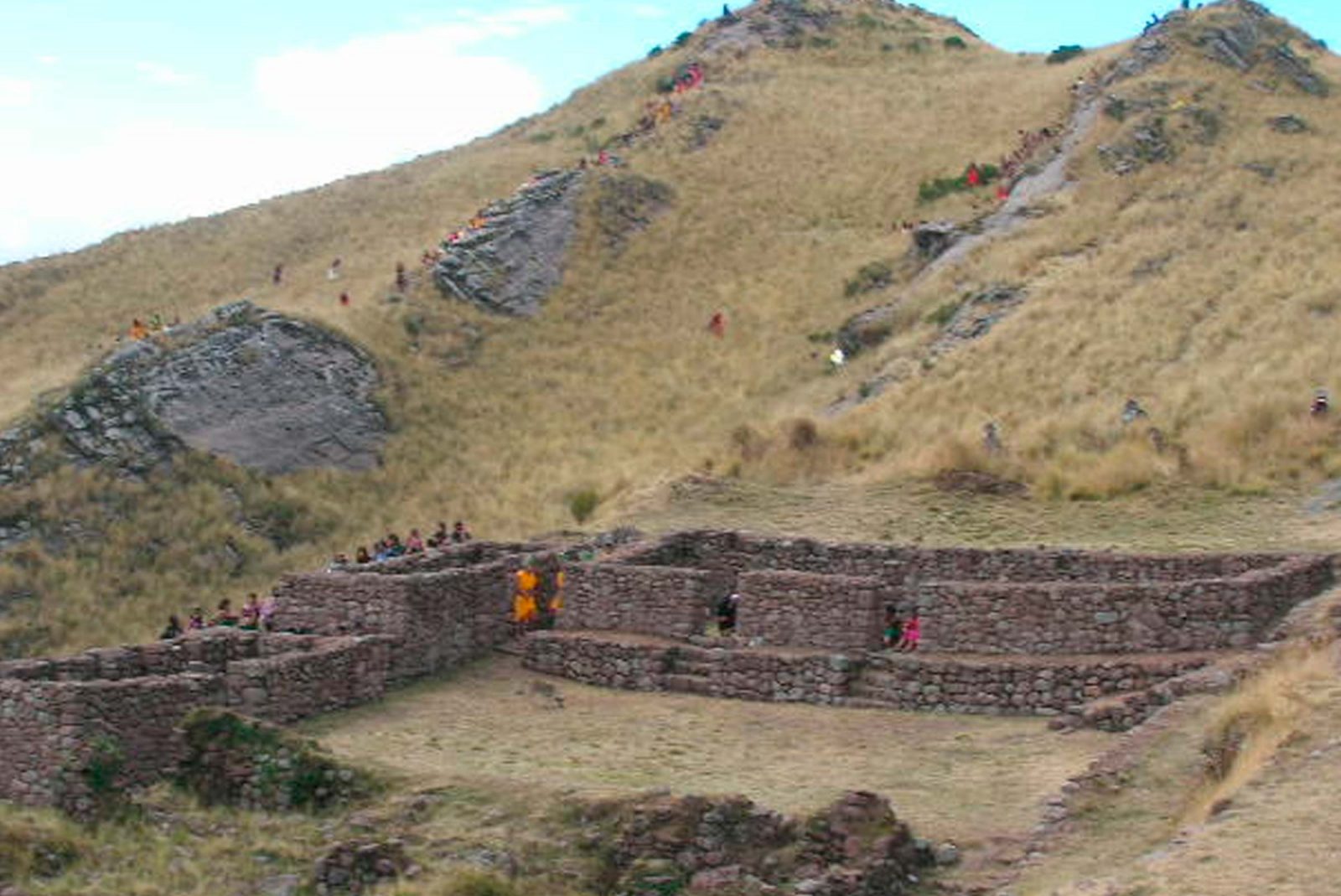
Huanacaure Hill, located in a rural area south of the city of Cusco, about 4100 meters above sea level, is a massive rocky outcrop of the Andes, which is distinguished by being the highest hill in the area. According to the Spanish chronicles and the Andean mythology, the Huanacaure constitutes the most important huaca and oracle of the Inca culture.
Museums In Cusco

The city of Cusco offers you a wide variety of tourist options that you must know to know more about the history and cosmovision of this magical place. The museums are one of these unmissable options that you must know in depth. Below, we suggest some of the most curious and important museums in Cusco that you should visit.
Tour 4 Days Visit: Cusco, Sacred Valley, With Overnight In Machu Picchu
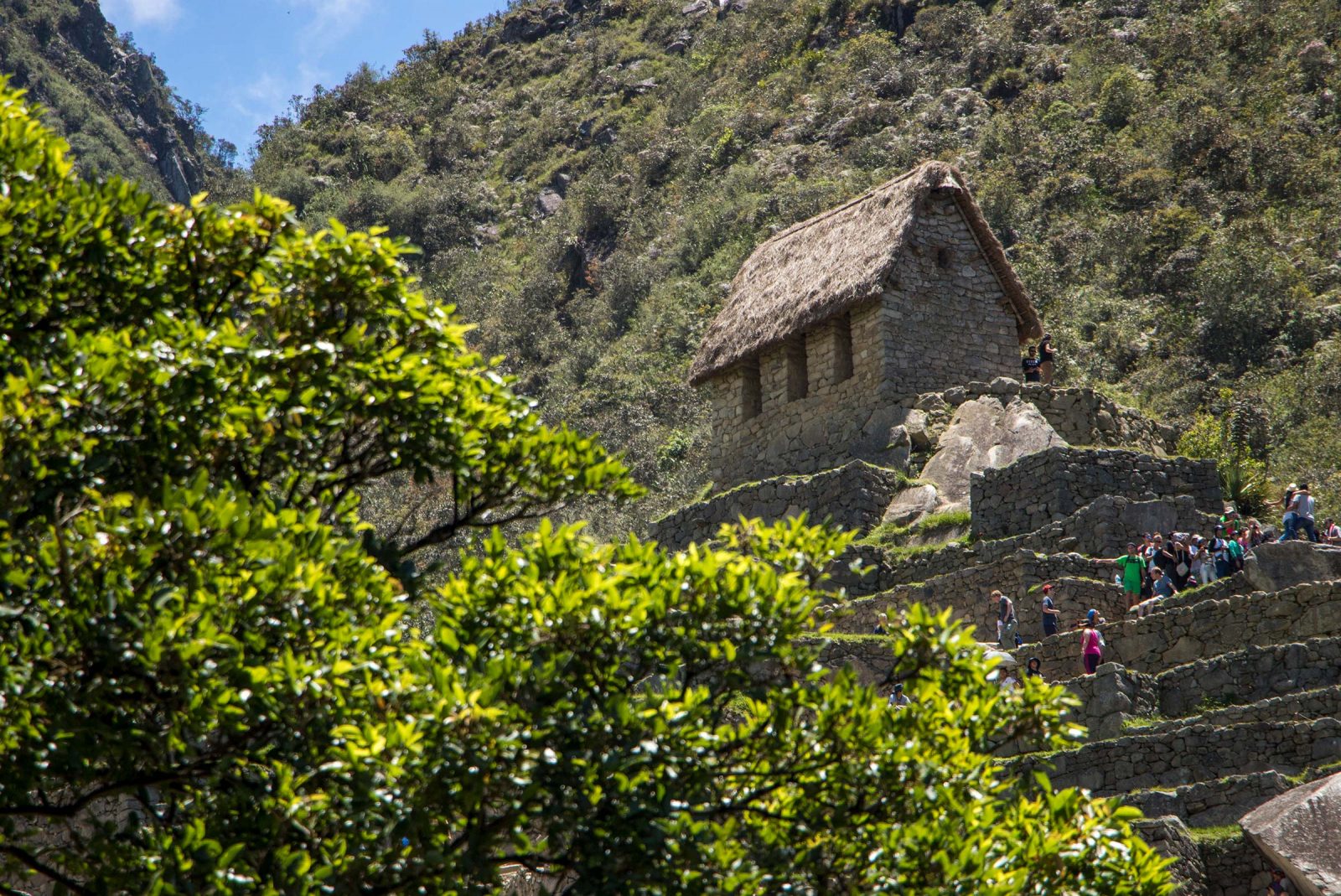
The archaeological complex is located at the top of the mountain, Machu Picchu (in Quechua means ancient mountain or important mountain) which gives the name to the citadel and the impressive landscape that we have all seen. In front of it, the incredible mountain of Wayna Picchu appears (“young mountain”) in whose top and slopes some archaeological remains are located. Both peaks are bordered by the mighty Urubamba River that runs eastward, 400 meters below the citadel.